How to Transition Your Wardrobe After a Textile Allergy Diagnosis

Diagnosed with latex allergy or chemical sensitivity? A practical, budget-aware plan to replace your wardrobe strategically - without overwhelm.

Skin Condition

How to Transition Your Wardrobe After a Textile Allergy Diagnosis

GOTS Certified
Lab Tested
Dermatologist Recommended
Chemical-Free

Clothing and Eczema

Description of the condition, how it affects daily life, and why clothing choices matter. This section should be informative, empathetic, and medically accurate without making diagnostic claims.

Include information about prevalence, common triggers, and the impact on quality of life. Focus on how the right clothing can help manage symptoms and improve comfort.

Common Clothing Triggers

Understanding what causes reactions helps you make better choices.

Synthetic Fabrics

Polyester, nylon, and rayon trap moisture and heat against the skin

Rough seams and tags

Can scratch and irritate already sensitive skin

Elastic waistbands

Create constant friction and pressure on vulnerable areas

Chemical fabric treatments

Formaldehyde resins, flame retardants, and wrinkle-resistant finishes

Fabric dyes

Especially disperse dyes and certain azo dyes can trigger reactions

Tight-fitting clothes

Restrict airflow and increase sweating, worsening inflammation

Real Customer Reviews

From people managing the same condition

Why Cottonique Helps

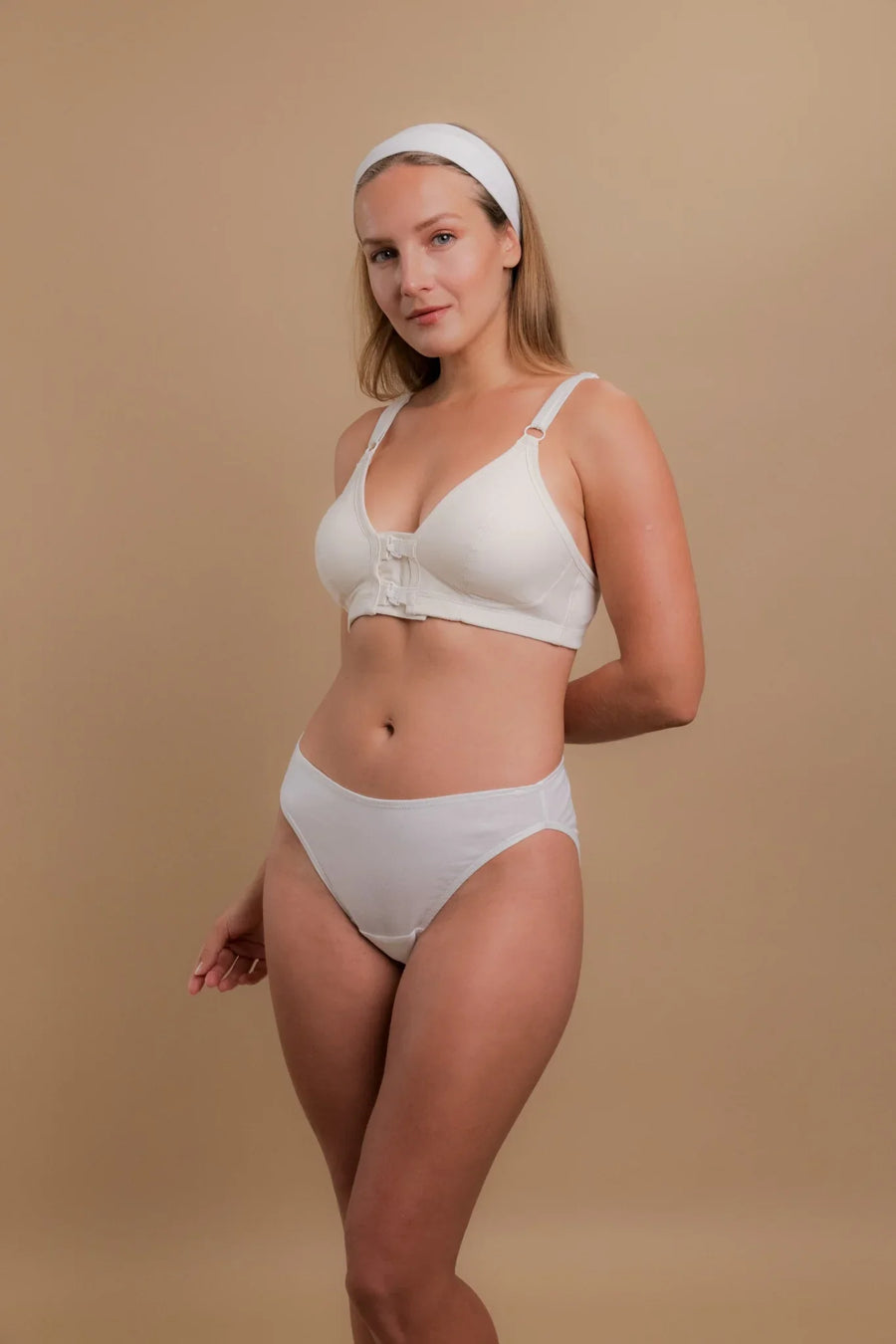
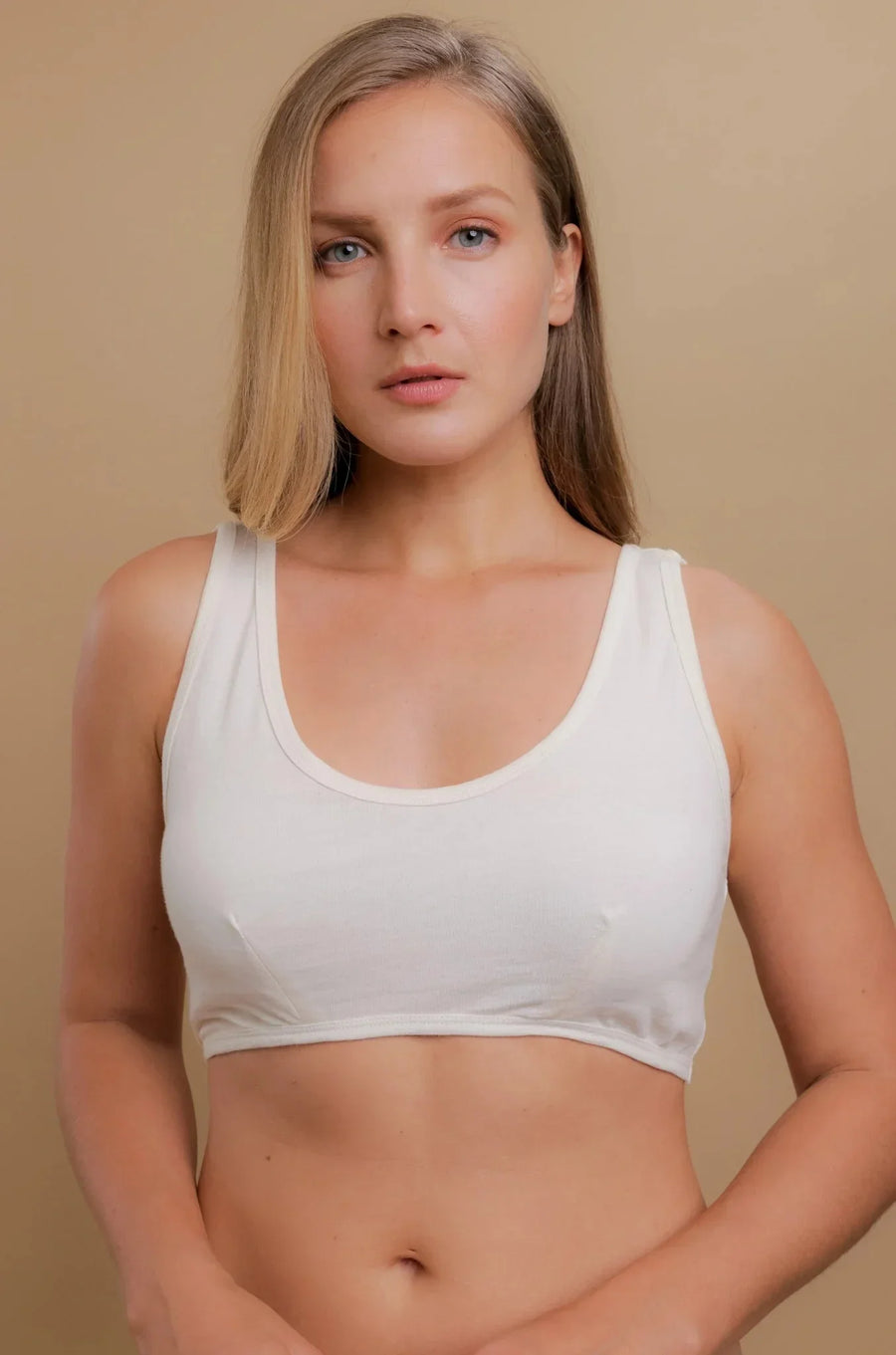
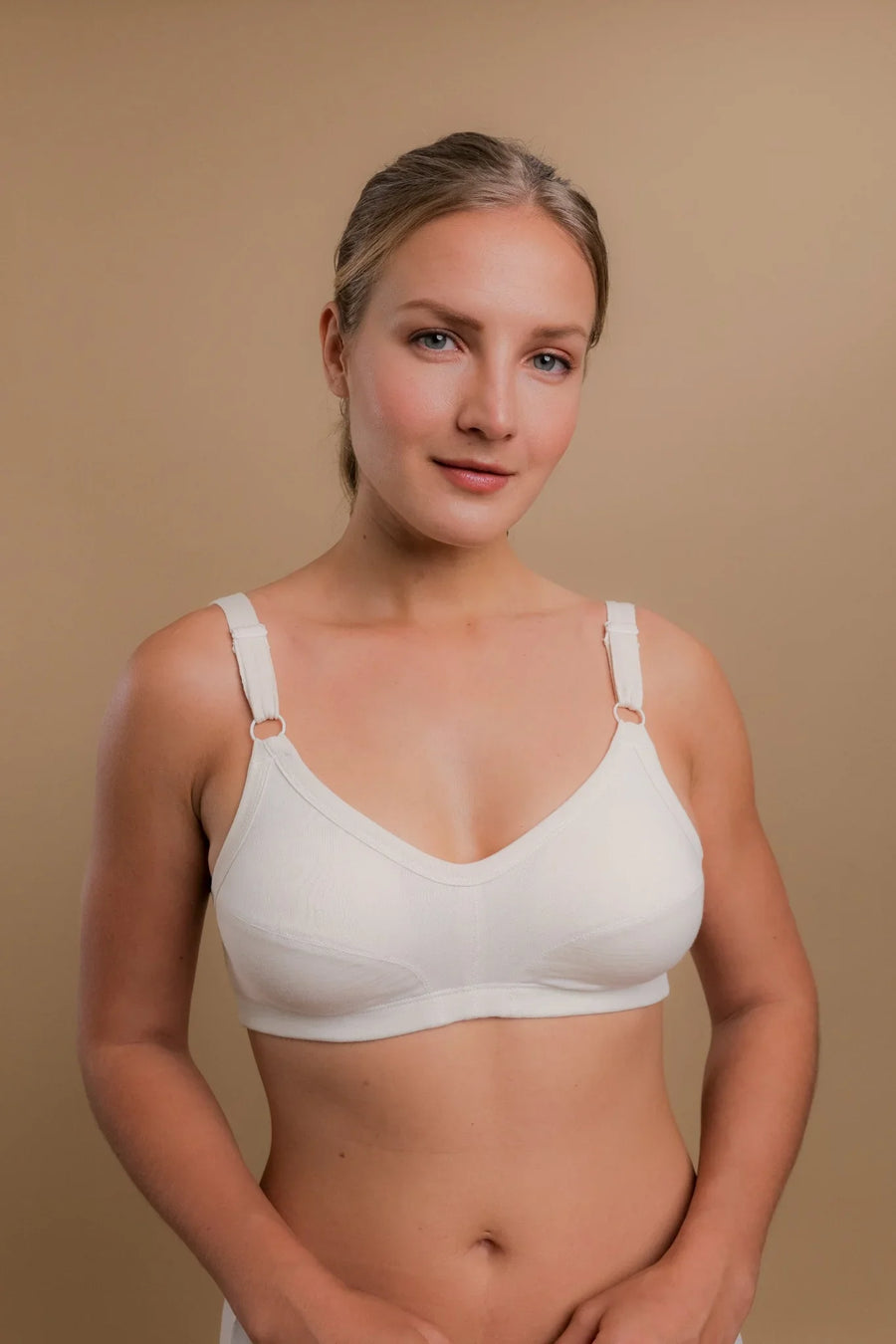
Our organic cotton clothing is specifically designed to minimize irritation and maximize comfort.

100% Organic Cotton

GOTS certified, no synthetic blends.

GOTS Certified Organic

Strictest standards for sensitive skin

Latex-Free Elastic

Natural rubber alternative waistbands.

Dermatologist Tested

Recommended by skin specialists.

Trusted Certifications

GOTS CertifiedGlobal Organic Textile Standard
BcorpBcorp

Could Your Clothing Be a Factor?

These questions are based on clinical criteria dermatologists use when evaluating textile-related skin conditions.

Do you notice symptoms primarily in areas where clothing touches your skin? Pattern: Localization — primary indicator in contact dermatitis
Do your symptoms improve when you wear different types of clothing? Pattern: Localization — primary indicator in contact dermatitis
Do you react more to new, unwashed clothes? Pattern: Localization — primary indicator in contact dermatitis
Are your symptoms worse at elastic bands or tight-fitting areas? Pattern: Localization — primary indicator in contact dermatitis
Do you notice different reactions to natural vs synthetic fibers? Pattern: Localization — primary indicator in contact dermatitis

Pattern Indicator Assessment

Select responses above

Check any statements that apply to your experience to see an assessment based on clinical pattern recognition criteria.

Browse Our Collection

Important: This assessment tool identifies patterns consistent with textile-related skin sensitivity based on clinical diagnostic criteria. It is not a medical diagnosis. Skin conditions have many causes, and only a qualified healthcare provider can properly evaluate your situation. If you scored 'Moderate' or higher, we encourage you to discuss textile triggers with your dermatologist.

Recommended for This Condition

Our most popular items for people managing this condition.

Select a collection in the theme editor to display products.

Eczema Care Tips for Clothing

Wash before first wear

Removes any packaging residue

Use Fragrance-Free Detergent

Fragrance-free, dye-free formulas

Extra rinse cycle

Ensures no detergent residue

Avoid fabric softener

Can leave irritating film

Wash Before First Wear

While our clothes are already soft, an initial wash removes any dust from packaging and maximizes softness.

Choose loose fits

Tight clothing creates friction

Frequently Asked Questions

Common questions about managing this condition with clothing choices.

Yes - regular "cotton" underwear usually contains synthetic elastic, polyester thread, and chemical finishes. Cottonique is 100% pure organic cotton with no irritating additives.

Our natural/undyed products have zero dye and are safest for severe eczema. Many people also tolerate our melange colors well.

Yes! We have a children's line with the same hypoallergenic construction as our adult products.

Medical Disclaimer

The information on this page is for educational purposes only and is not intended as medical advice. Our products are designed to provide comfort for people with skin sensitivities but are not intended to diagnose, treat, cure, or prevent any medical condition. Always consult with a qualified healthcare professional.