Questions to Ask Your Dermatologist About Textile Allergies

Preparing for a dermatologist appointment about skin reactions? A guide of questions to ask about patch testing, textile allergies, and clothing triggers.

Appointment Guide · Self-Advocacy

Questions to Ask Your Dermatologist

Preparing for a dermatologist appointment about skin reactions? A guide of questions to ask about patch testing, textile allergies, and clothing triggers.

GOTS Certified
Lab Tested
Dermatologist Recommended
Chemical-Free

Trusted Certifications

GOTS Certified

Certified by: IDFL Laboratory and Institute Inc.

License Number: GOTS-28166

B Corp

Certified B Corporation

Microbiome

Skin-friendly certification

OEKO-TEX

Product safety standard

Clinically Tested

Evaluation study support

Condition Overview

If you suspect your clothing might be causing or worsening your skin symptoms, a dermatologist appointment is an important step. Being prepared with the right questions can help you get the answers you need and make the most of your appointment time. This guide helps you document your symptoms, recognize textile-related patterns, and advocate for yourself. It's a set of conversation starters, not medical advice - your doctor will determine what tests and treatments are right for you.

Common Clothing Triggers

These are fabric, finish, and construction factors that may worsen symptoms for some people.

Waistband-line reactions
Rashes along the waistband line are a classic sign of an elastic or rubber chemical reaction
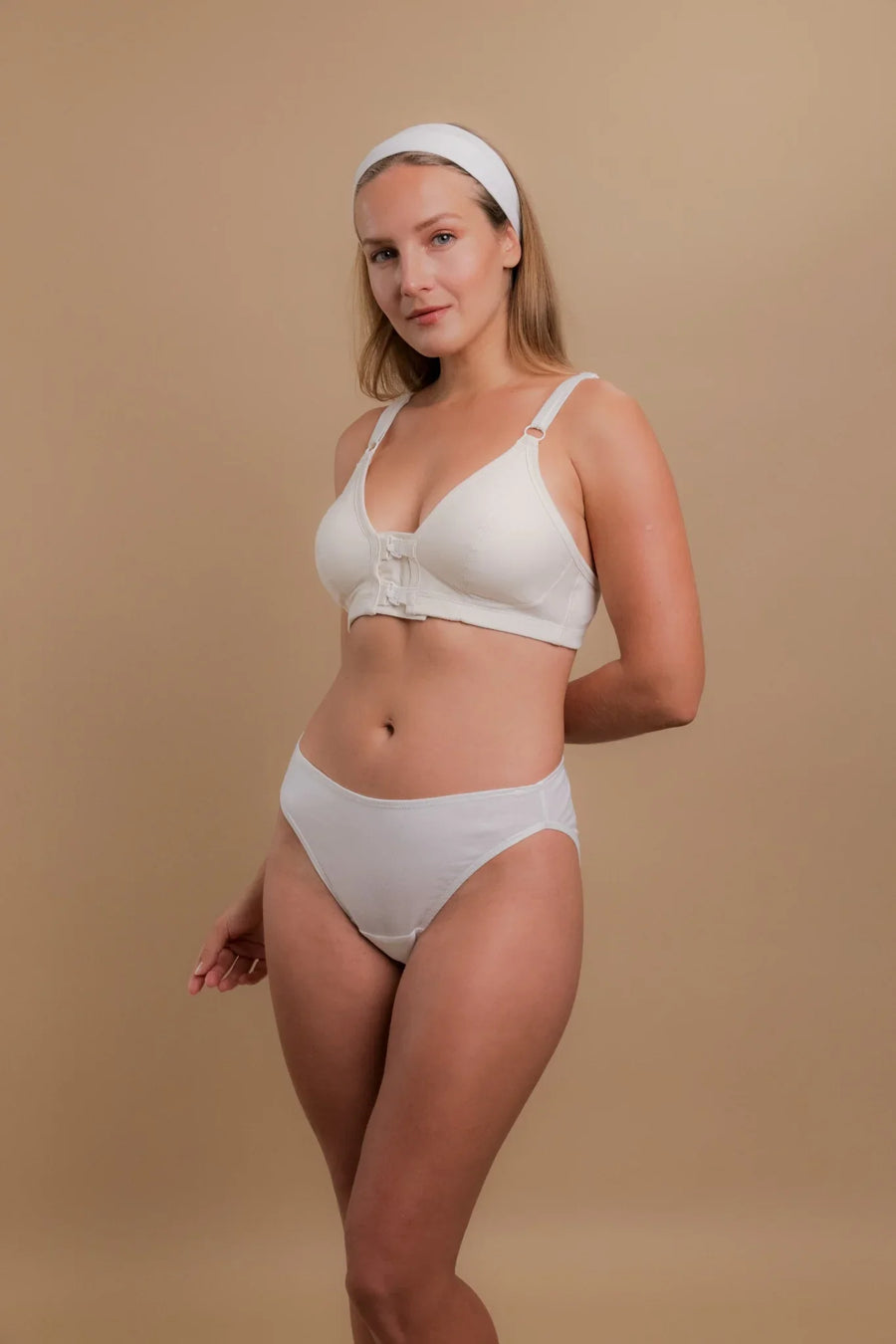
Bra band and strap reactions
Irritation under bra bands and straps points to elastic, rubber chemicals, or metal hardware
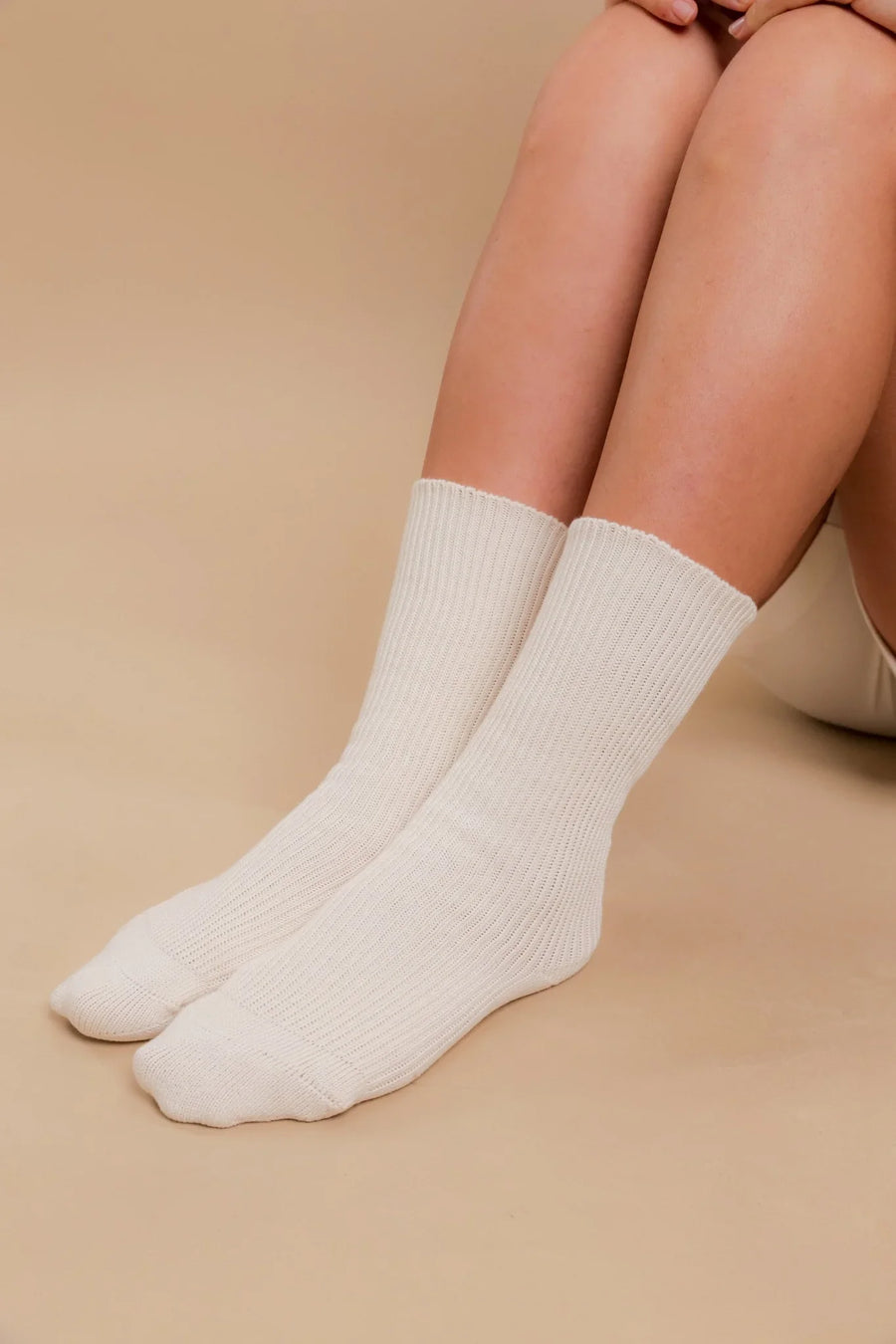
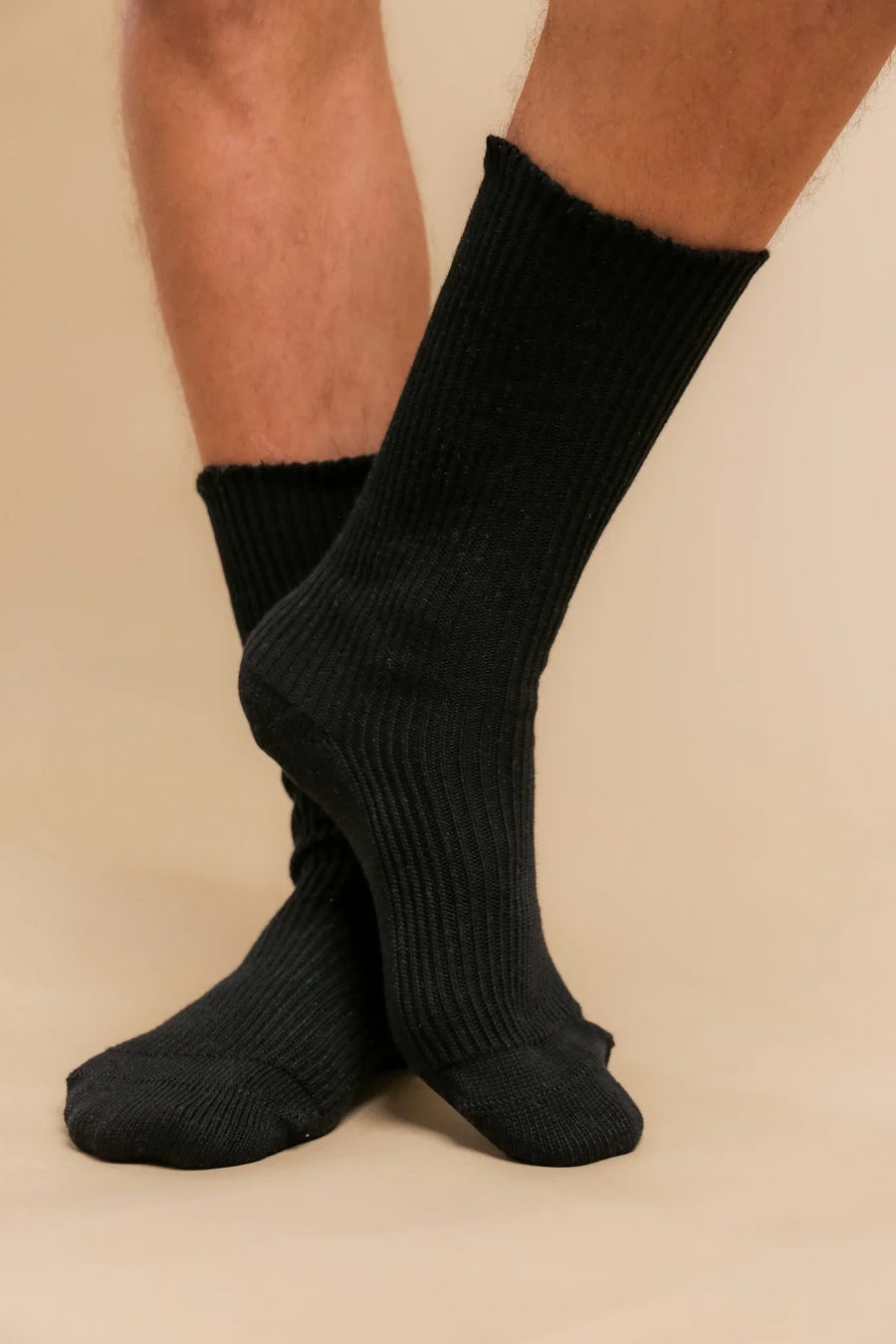
Sock cuff reactions
Rash lines at the sock cuff suggest the elastic cuff is irritating thin ankle skin
Underwear leg-elastic reactions
Irritation where underwear leg elastic sits is a common textile-allergy pattern
Sweat-area reactions
Reactions concentrated where you sweat can indicate dye or chemical release with moisture
New-clothing reactions
Symptoms that flare with new clothing more than worn-in garments suggest a fabric finish or dye

Frequently Asked Questions

Textile-related reactions often appear along waistband lines, under bra bands, at sock cuffs, and where underwear elastic sits - and may improve when clothing is removed. Share this pattern with your doctor.
Yes, it's reasonable to ask whether patch testing is appropriate for your situation and what it involves. Your dermatologist can advise based on your history.
Ask whether textile-related allergens can be included, such as rubber accelerators (thiuram, carba mix, MBT), disperse dyes, and formaldehyde.
Bring photos and notes on your symptoms, the location pattern, labels from underwear/bras/socks you wear, and a list of products you've already tried.
You can say you've noticed a clear pattern between your symptoms and where clothing touches your skin, and ask to explore it or for a referral to a contact dermatitis specialist.
If referred for patch testing, schedule promptly and follow preparation instructions. If diagnosed, get the specific allergen names in writing. If told to wait and see, keep a symptom diary and follow up in 4-6 weeks.

Self-Check Quiz

Check any statements that match your experience. This is for educational use only and not medical advice.

Does your rash appear exactly where elastic bands or seams sit?
Do your symptoms improve on days you wear different types of clothing?
Does new clothing trigger symptoms more than worn-in clothing?
Do your symptoms worsen when you sweat?
Does the pattern match clothing seams or elastic lines precisely?
Pattern Indicator Assessment
Select responses
Check any statements that apply to see a pattern-based assessment.

Care Tips

Small routine changes can reduce exposure to irritants and residues.

Document Your Symptoms
Bring photos and notes on when symptoms started, where they appear, and what makes them better or worse.
Note the Location Pattern
Note whether your rash follows waistband lines, bra bands, sock cuffs, or leg-elastic - this helps your doctor.
Bring Clothing Labels
Labels from your everyday underwear, bras, and socks help your doctor spot likely fabric culprits.
List Products You've Tried
List lotions, detergents, softeners, and 'hypoallergenic' products you've already tested.
Ask About Patch Testing
Ask whether patch testing is appropriate for you and where to go if your clinic doesn't offer it.
Request Textile Allergen Testing
Ask specifically about including rubber accelerators, disperse dyes, and formaldehyde in your panel.

Real Customer Reviews

From people managing the same condition

“Bringing photos and my clothing labels to the appointment helped my dermatologist connect my rash to elastic. I felt heard for the first time.”

Verified Buyer · Suspected textile allergy
80% improvement

“I asked specifically about patch testing for rubber chemicals, and it turned out I was reacting to thiuram. Having the right questions ready made all the difference.”

Verified Buyer · Rubber chemical allergy
80% improvement

“Keeping a simple symptom diary showed a clear pattern with my waistband. My doctor took it seriously and we figured out the textile trigger together.”

Verified Buyer · Waistband contact dermatitis
80% improvement